Book Club Table
Book Club QuestionsBook Club Reviews
Historical FictionWomen's FictionMystery & ThrillerLiterary FictionFamily DramaBrowse All Genres →
Reading Lists
How to Lead a Book Club DiscussionBest Book Club QuestionsHow to Choose a Book Club BookBook Club Food Ideas
About
Home/Book Club Questions/Literary Fiction
Browse by Genre

Literary Fiction Book Club Questions

Literary fiction can be plot-driven, quietly immersive, formally inventive, or built almost entirely around the pressure between people. Choose with pacing and reading difficulty in mind: some groups want a clear story engine, while others enjoy ambiguity, dense prose, shifting perspectives, and endings that remain open to interpretation. The Reviews help you judge the experience before reading; the Questions guides help you discuss character depth, structure, relationships, and the ideas beneath the plot.

9
Published guides
216
Discussion questions
9
Companion reviews
Start With Fit
Compare character depth, pacing, prose, and relationship complexity before choosing. Decide whether your group wants a clear plot engine or room for interpretation.
Then Open the Guide
Read the review for difficulty, emotional tone, content notes, and whether the ending is likely to divide readers or invite multiple readings.
Keep It Practical
Begin with a scene or relationship that stayed with the group, then ask how the structure, voice, or unanswered questions changed your judgment.

How to Choose a Literary Fiction Book

The best literary-fiction meetings let readers disagree without needing one final interpretation. Use the paths below to choose between social depth, family and memory, creative partnership, or a mystery structure that rewards slower attention.

Social depth and a powerful voice
Choose Demon Copperhead for a longer, heavier discussion about poverty, addiction, foster care, survival, and the systems that decide who gets care.
Open example guide
Memory, family, and quiet pacing
Choose Tom Lake for a reflective conversation about motherhood, marriage, storytelling, youthful love, and the ordinary life someone chooses.
Open example guide
Creative partnership and changing forms
Choose Tomorrow, and Tomorrow, and Tomorrow for a long-range discussion of friendship, games, ambition, disability, work, and forgiveness.
Open example guide

Reading expectations: Expect more variation in pace and narrative structure than in a straightforward commercial thriller. A slower book is not automatically a better discussion book; choose one whose prose, ambiguity, and relationship complexity match the patience and preferences of your group.
Literary Fiction Guides

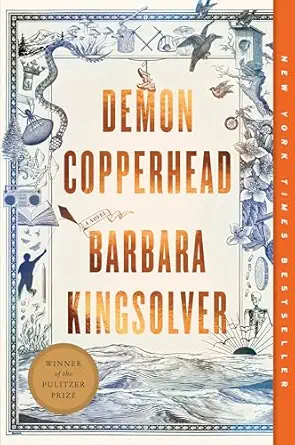
Cover of Demon Copperhead
24 questionsLiterary FictionSocial Issue Fiction
Demon Copperhead
by Barbara Kingsolver
A long, voice-driven novel whose humor sits beside poverty, addiction, foster care, and institutional failure. It suits groups ready for a demanding but generous discussion about resilience, social responsibility, and whether survival should ever be treated as an individual achievement.
Themes: Poverty · Addiction · Childhood
View QuestionsRead Review
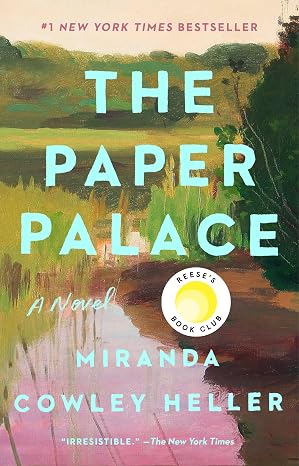
Cover of The Paper Palace
24 questionsLiterary FictionDomestic Fiction
The Paper Palace
by Miranda Cowley Heller
An intimate and emotionally difficult novel about desire, marriage, childhood trauma, memory, and the choices people cannot make cleanly. Choose it for a group comfortable with divided opinions, uncomfortable questions, and an ending that resists easy moral closure.
Themes: Marriage · Trauma · Desire
View QuestionsRead Review
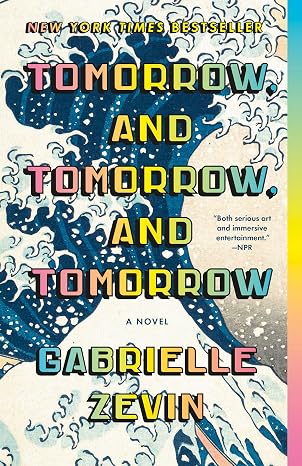
Cover of Tomorrow, and Tomorrow, and Tomorrow
24 questionsContemporary FictionLiterary Fiction
Tomorrow, and Tomorrow, and Tomorrow
by Gabrielle Zevin
A long-range literary novel about a friendship and creative partnership that cannot be reduced to romance, family, or work. Choose it for groups willing to discuss games, ambition, disability, ownership, grief, and whether love is enough to repair repeated hurt.
Themes: Friendship · Creativity · Identity
View QuestionsRead Review
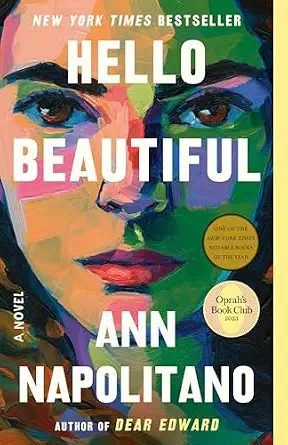
Cover of Hello Beautiful
24 questionsLiterary FictionWomen's Fiction
Hello Beautiful
by Ann Napolitano
A family-centered literary novel that rewards attention to roles, timelines, and changing points of view. Choose it when your group wants to debate sisterhood, loyalty, trauma, forgiveness, and the difference between loving someone and truly understanding them.
Themes: Sisterhood · Family loyalty · Trauma
View QuestionsRead Review
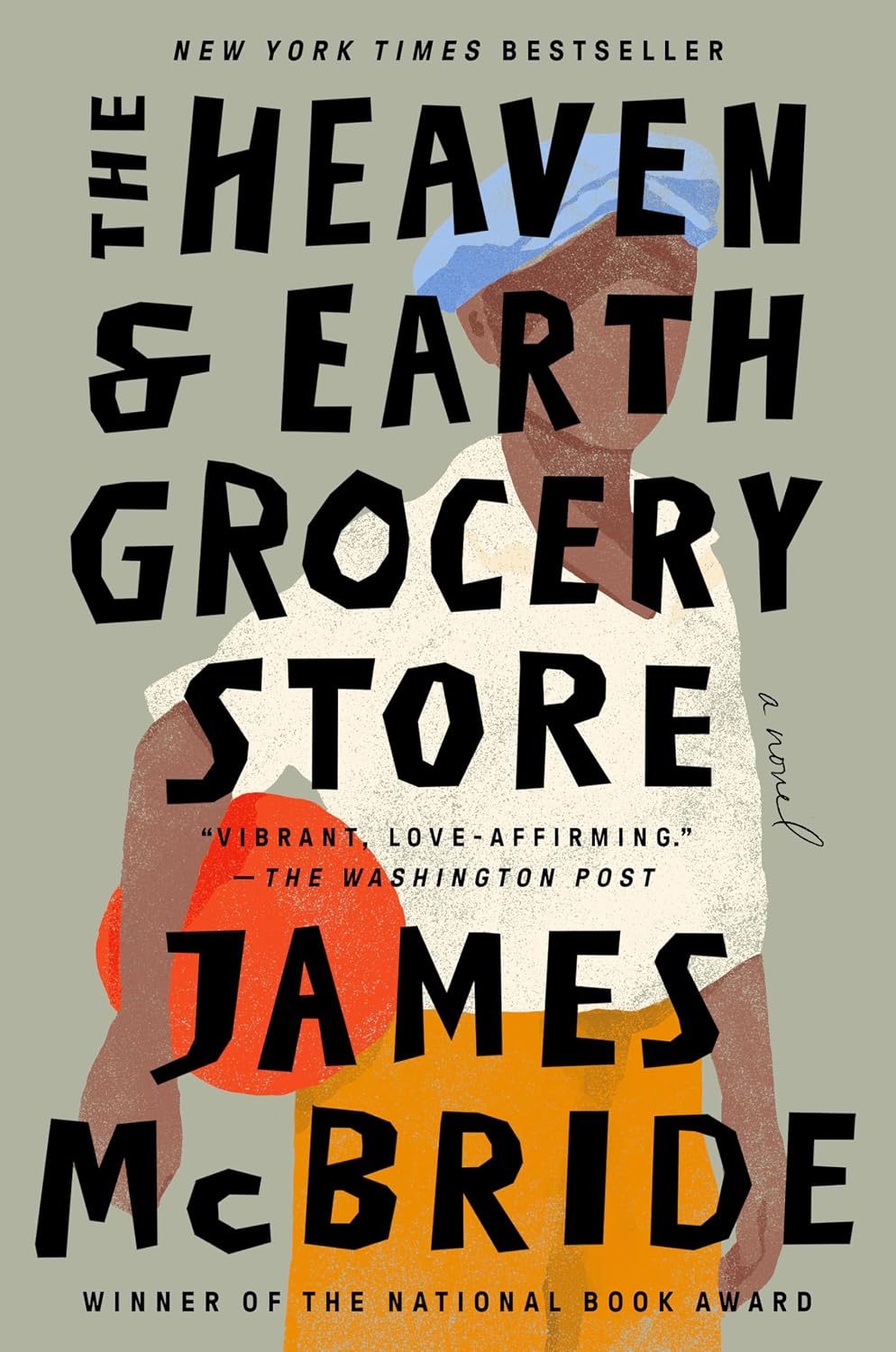
Cover of The Heaven & Earth Grocery Store
24 questionsHistorical FictionLiterary Fiction
The Heaven & Earth Grocery Store
by James McBride
A broad, community-shaped novel with a mystery at its center and a large cast whose stories converge around race, disability, belonging, justice, and care. It rewards slower reading and suits groups that enjoy discussing systems through individual lives.
Themes: Community · Justice · Race
View QuestionsRead Review
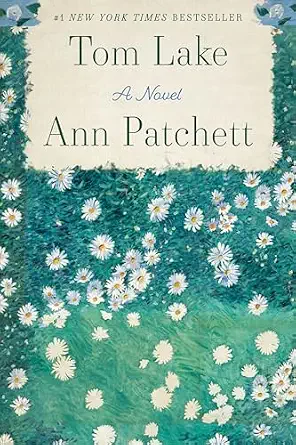
Cover of Tom Lake
24 questionsLiterary FictionFamily Drama
Tom Lake
by Ann Patchett
A quiet, reflective novel about a mother telling her daughters about youthful love while they work together in an orchard. It suits groups that enjoy memory, marriage, motherhood, storytelling, and the difference between an ordinary life and an unimportant one.
Themes: Memory · Motherhood · Marriage
View QuestionsRead Review
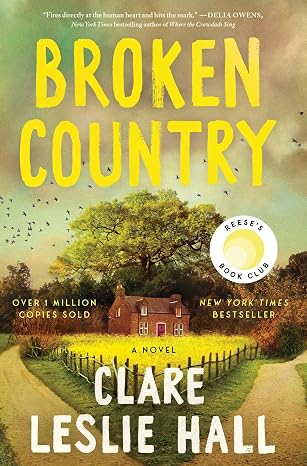
Cover of Broken Country
24 questionsHistorical FictionLiterary Fiction
Broken Country
by Clare Leslie Hall
A morally divided story about marriage, first love, grief, and the way memory edits a life. Choose it for groups that enjoy emotionally intense relationship discussions where readers may understand Beth’s choices differently even after agreeing on the facts.
Themes: Marriage · Grief · Family secrets
View QuestionsRead Review
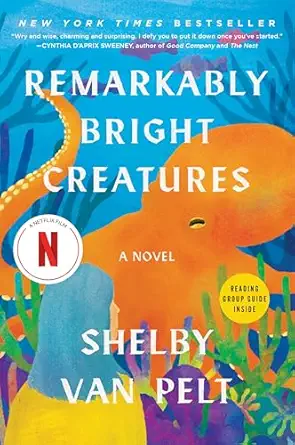
Cover of Remarkably Bright Creatures
24 questionsContemporary FictionLiterary Fiction
Remarkably Bright Creatures
by Shelby Van Pelt
A warm, gently whimsical novel about grief, loneliness, a missing family member, and the unexpected shape of found family. It works for groups that want emotional accessibility and a hopeful conversation, but readers should be comfortable with its unusual octopus perspective.
Themes: Friendship · Grief · Found family
View QuestionsRead Review
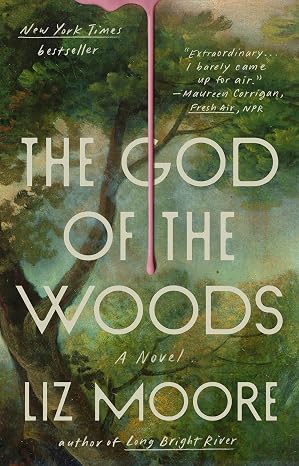
Cover of The God of the Woods
24 questionsLiterary FictionMystery
The God of the Woods
by Liz Moore
A literary mystery whose layered structure widens a missing-person story into a study of family power, class, privilege, and competing social worlds. Choose it when your group enjoys interpreting how narrative perspective controls suspicion and sympathy.
Themes: Family secrets · Class · Power
View QuestionsRead Review
Questions Before You Choose
Is literary fiction too slow for a casual book club?

Not necessarily, but pacing should be part of the choice. Some literary novels have a strong plot engine, while others ask readers to stay with voice, memory, or relationships for longer stretches. Use the review to choose honestly.

What makes a literary fiction novel discussion-friendly?

Look for characters whose choices can be judged in more than one way, relationships that change over time, and a structure or ending that gives readers different interpretations to compare.

Book Club Table

Thoughtful book club questions, spoiler-free reviews, and practical reading guides to help your group choose better books and have better conversations.

Discover

  • Book Club Questions
  • Book Club Reviews
  • Reading Lists

Genres

  • Historical Fiction
  • Women's Fiction
  • Mystery & Thriller
  • Literary Fiction
  • Family Drama

Resources

  • How to Lead a Book Club Discussion
  • Best Book Club Questions
  • How to Choose a Book Club Book
  • Book Club Food Ideas

About

  • About
  • Contact
  • Privacy Policy
  • Terms
© 2026 BookClubTable. Made for the people who bring the snacks and the questions.
PrivacyTerms